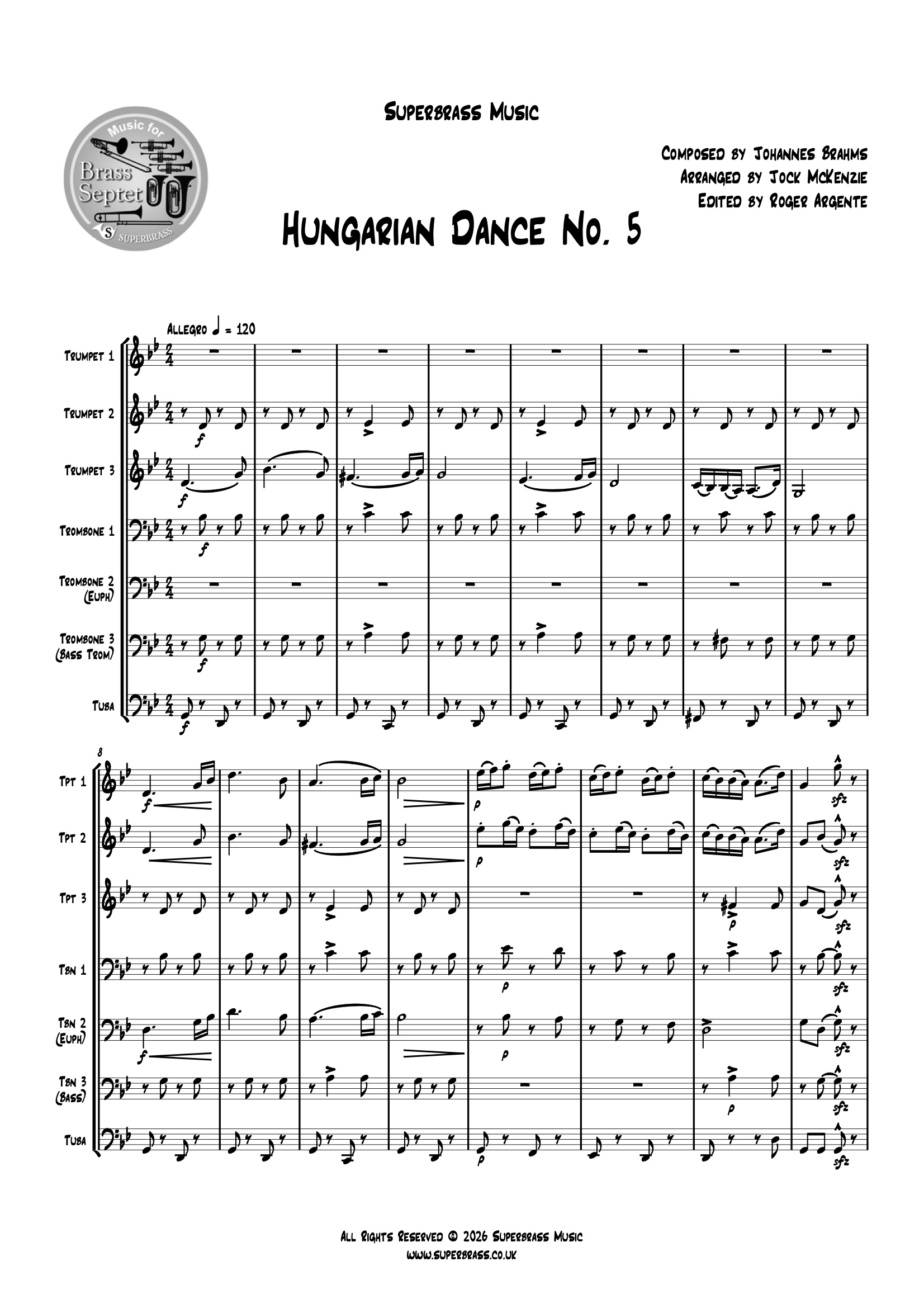
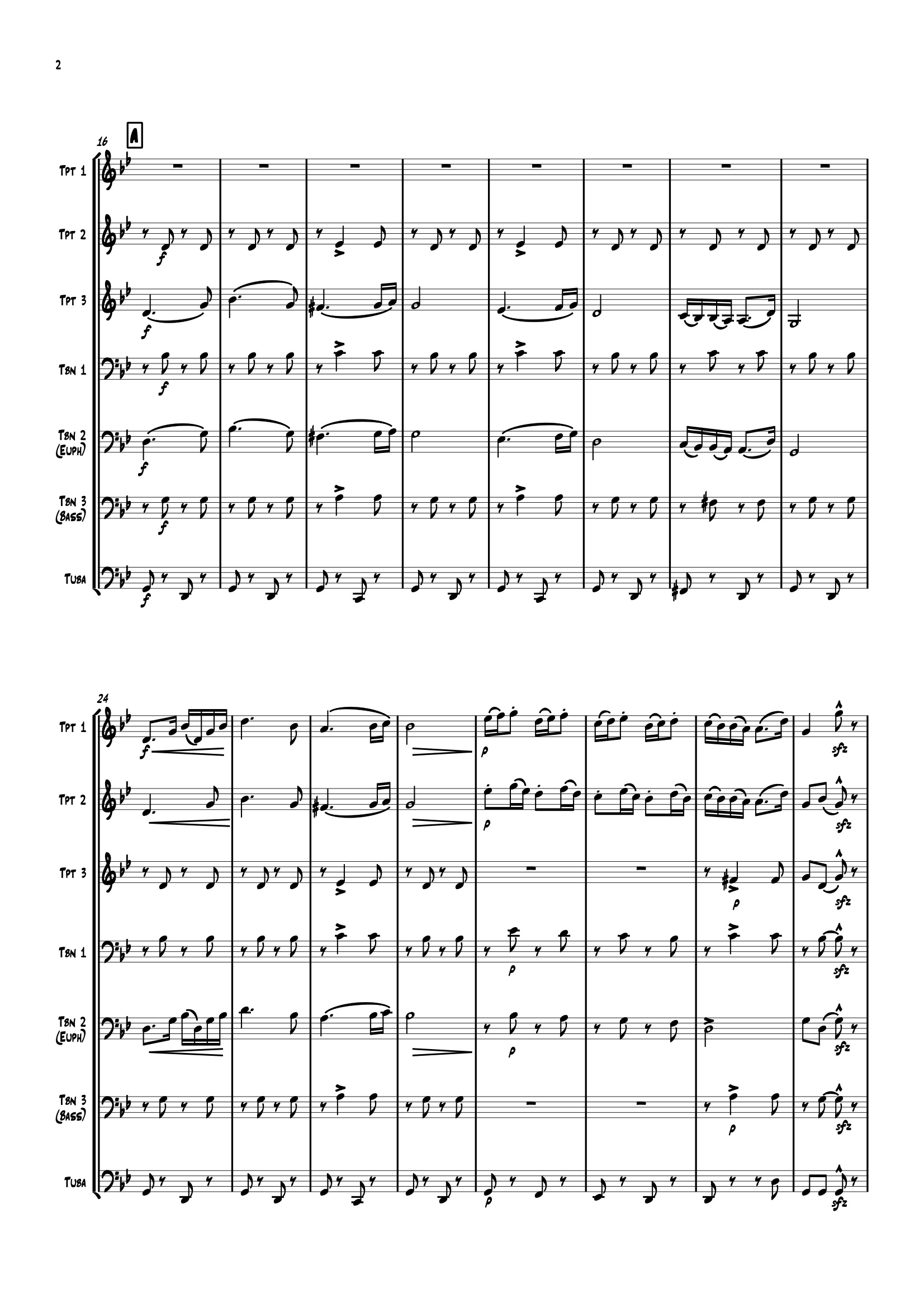
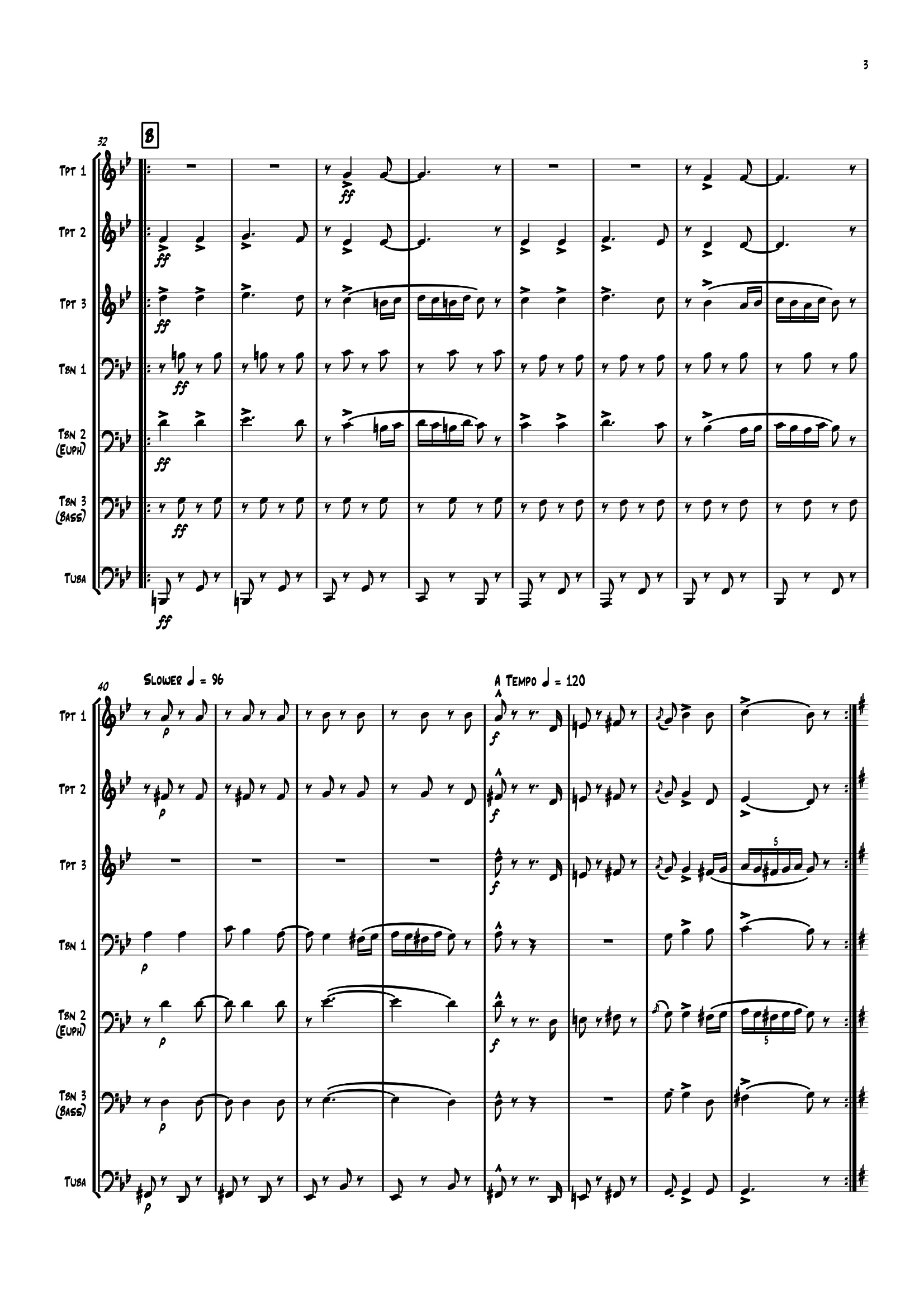
The Hungarian Dances by Johannes Brahms are a set of 21 dance tunes based mostly on Hungarian themes, completed in 1879.
The Hungarian Dances vary from about a minute to five minutes in length. They are among Brahms's most popular works and were the most profitable for him. Each dance has been arranged for a wide variety of instruments and ensembles. Brahms originally wrote the version for piano four hands and later arranged the first ten dances for solo piano. These Dances should be placed in the context of interest in folk music. Both Haydn and Boccherini refer frequently to gypsy music, but in Brahms' day it was Franz Liszt with his Hungarian rhapsodies who was an inspiration to Brahms, both artistically and financially. In 1850 Brahms met the Hungarian violinist Ede Reményi and accompanied him in a number of recitals over the next few years. This was his introduction to gypsy-style music such as the csárdás, which was later to prove the foundation of his most lucrative and popular compositions. Only numbers 11, 14 and 16 are entirely original compositions. The better-known Hungarian Dances include Nos. 1 and 5, the latter of which was based on the csárdás Bártfai emlék (Memories of Bártfa) by Hungarian composer Béla Kéler, which Brahms mistakenly thought was a traditional folksong.
Jock McKenzie studied trumpet at the Royal Northern College of Music, Manchester where he was a joint recipient of the college’s concerto prize. From 1987 Jock based his musical career in Hampshire, working as a freelance trumpeter, conductor, composer, arranger and brass teacher. Jock is a former Professional Leader (Brass) for Hampshire Music Service and was the Director of the Hampshire County Youth Band from 2004 until 2020. It is the mix of all of these musical roles that has led to Jock establishing a reputation as a leading creator of brass music resources, particularly in the field of education and brass ensemble music. In 2020 Jock was awarded an “Honorary Fellowship of the University of Winchester” for services to music education. Currently Jock is working part-time for the Royal Welsh College of Music and Drama; providing tuition for their Brass Teaching Module. In 2024 Jock was given the award for “Services to Youth” by Brass Bands England.